Most solo practitioners hit the same wall: there are only so many hours in the day, and only so many client relationships one person can tend to at once. Trista Chan, a registered dietitian and founder of Nest and Nurture Health, hit that wall during the pandemic, working back-to-back sessions and charting late into the night. Rather than scale back, her solution was to hire a team and grow her dietitian practice into a multi-disciplinary clinic.
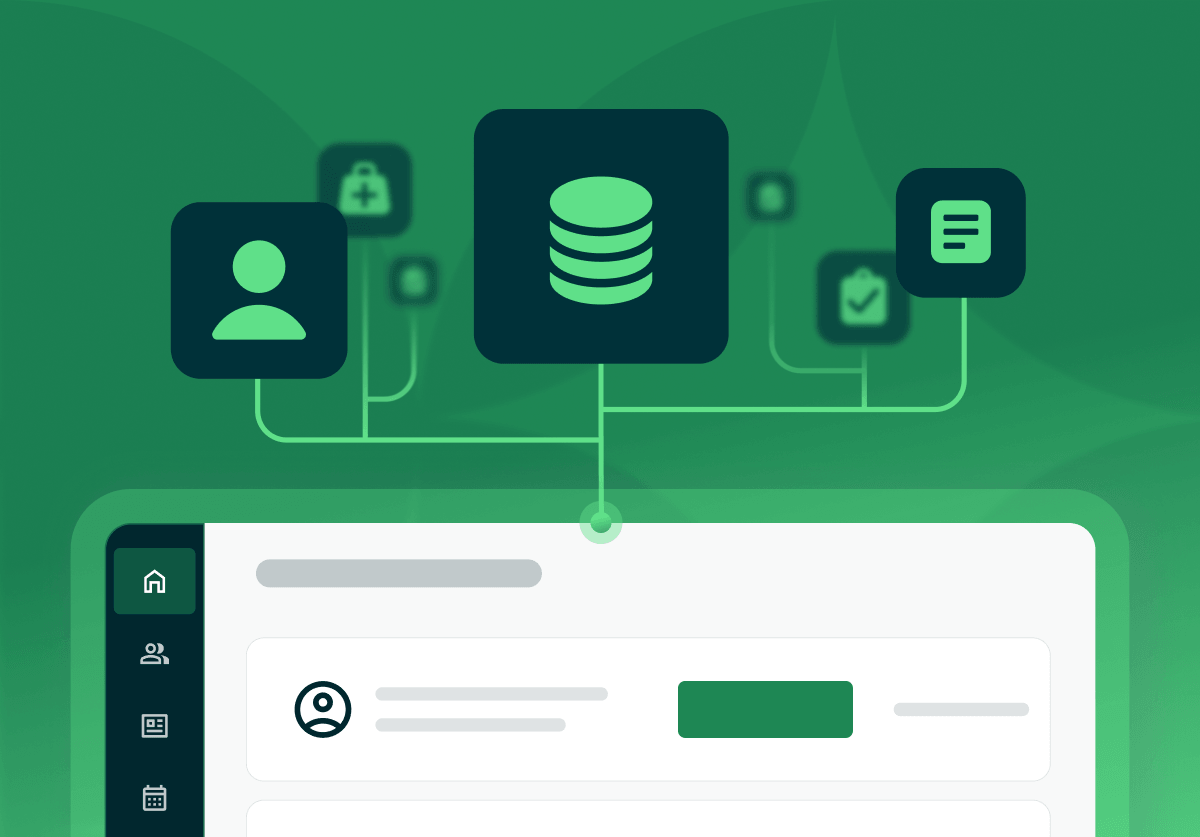
Since then, Nest and Nurture Health has grown from a solo caseload, to a team of six clinicians offering nutrition counseling, diagnostics, medication management, and one-on-one therapy, all centralized for clients with one login via Practice Better.
Nest and Nurture Health is a virtual telehealth platform supporting women navigating chronic hormonal conditions, including PMOS (previously known as PCOS), endometriosis, diabetes, and fertility concerns. Trista started the practice six years ago as a solo provider under a different name. Today, her team includes four dietitians, a mental health therapist, and a nurse practitioner, all working from a single, connected system, one clear example of what a well-run multi-disciplinary dietitian clinic looks like in practice.
Before her team existed, Trista was seeing patients five days a week and charting in the hours after. The work was rewarding, but the pace wasn't sustainable.
"It was also during the pandemic, and all day, every day, it was just back-to-back calls, charting, charting, charting..."
The toll showed up physically before Trista let herself acknowledge it.
"I remember I used to have chronic lower back pain, and part of that is the sitting and the anxiety, that low-grade anxiety, and also neglecting my physical health because all I was doing was seeing patients."
She knew that hiring and growing her clinic would mean giving up some of the immediate gratification of seeing a client and billing for that session, in exchange for time spent on behind-the-scenes business growth activities geared toward a long term payoff. That trade-off, immediate reward for long-term gain, was well worth it in hindsight.
"If I had hired even earlier and scaled even earlier, I would have been able to scale so much faster."
She also wanted to make sure the standard of care remained consistent as her team grew.
Trista's first hires came through referrals from her professional network, chosen for values alignment as much as clinical specialty. Her approach to hiring dietitians for a growing practice paired each new hire's specialty with a real gap in her caseload: her first two hires brought certifications in diabetes education and the low-FODMAP approach.
Bringing each new provider onto Practice Better took a single onboarding call, because Trista had already spent time systemizing her processes within her own solo account, and those same systems were ready to extend to the team.
"All of the systems and the forms, the intake forms, the client satisfaction forms, the packages, the Google review prompts, were already set up for my own practitioner account. I just had to copy the automations to the other providers, set up a 60-minute call to onboard them, and we're good to go."
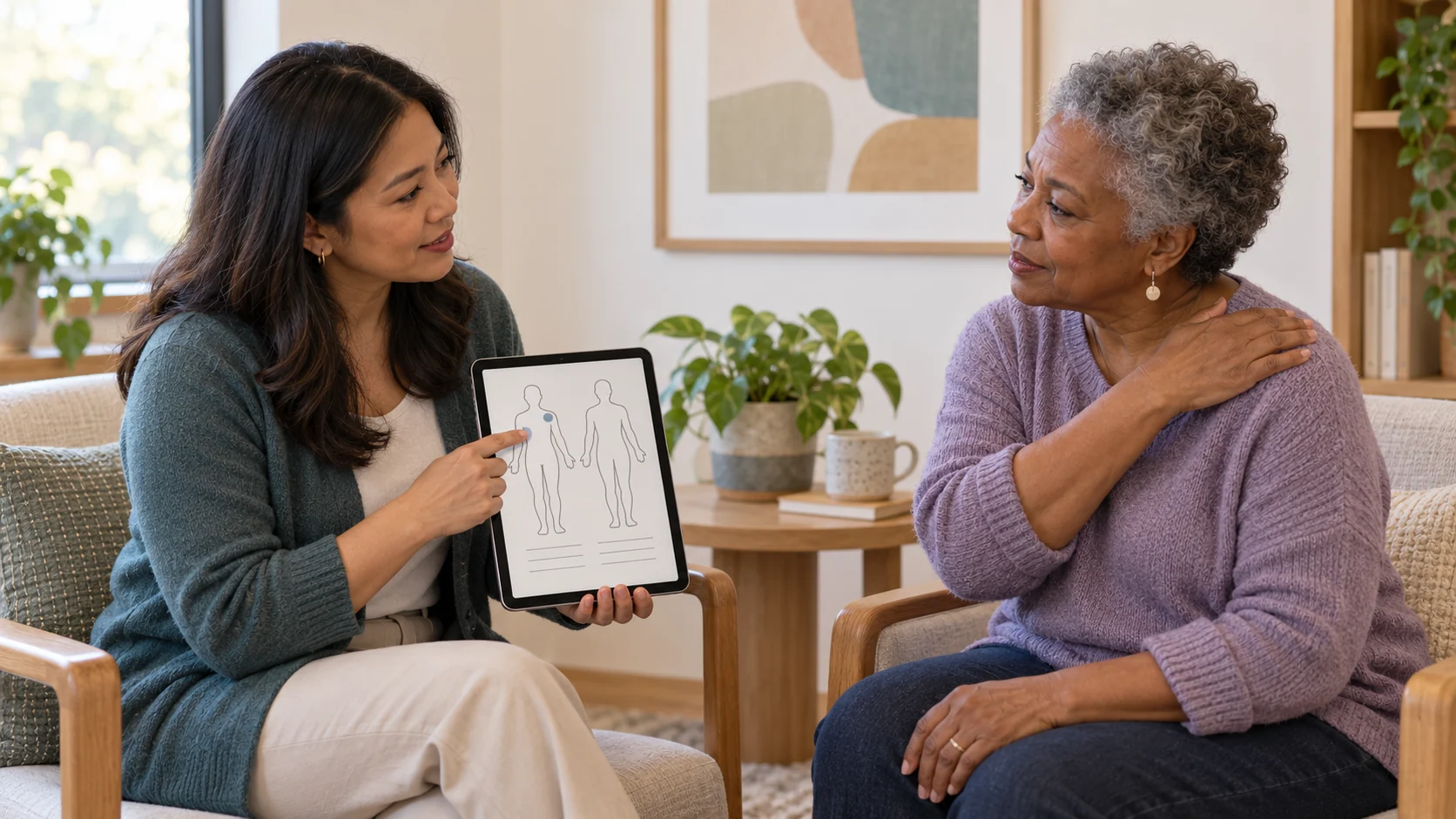
As the team grew to include a therapist and a nurse practitioner, Trista added interdisciplinary care without adding friction for clients. Providers share notes and message each other directly inside each client's file.
"If we have a patient who just got referred to our nurse practitioner for an assessment and to run diagnostic labs, the nurse practitioner will download everything onto the client portal. They have access to each other's notes, and they'll send a private message just to the dietitian. There's no crazy back-and-forth email chain where you're wondering if it's secure."
Referring clinics get the same simplicity. Trista turns session notes into a secure fax with three clicks, a process that used to mean exporting a Word document to PDF and uploading it manually. What used to take 10 minutes, now takes one.
{{free-trial-simple-text}}
For clients working with more than one provider, on more than one program, Trista built her practice so nothing feels fragmented. Standardizing care across multiple practitioners started with a simple rule: one login, no matter how many providers a client sees.
"I would hate for a client to have to create five different logins and coordinate five different calendars, or repeat their story a million times because there isn't communication between providers. By having everything in-house, they show up to the same link each time, whatever care they need in that moment."
That same logic drove Trista to move her PMOS (previously known as PCOS) Recovery Program, a 12-week group course with biweekly live coaching and a daily community chat, off a separate course platform and onto group coaching software for dietitians built into Practice Better.
"Everything felt so separate. I had my one-on-one clinic, and then I had my group program on a different platform, with a completely different user interface. Clients who did both had to onboard into two systems. Now it's centralized. Once I transitioned, it became a non-negotiable. I can't believe people still log into two different things."
Consolidating the group program also gave Trista visibility she didn't have before. She reviews course completion weekly to spot clients falling behind before they disengage.
"Data will never lie. Let's say Syrah is 80 percent done with her courses and on schedule, but Amanda is only done 20 percent. That raises a flag. I can reach out to Amanda specifically and ask what's going on, rather than waiting until the end of the program to find out she never got what she needed."
Since building her team and consolidating her systems on Practice Better, Trista estimates the platform saves her about five hours a week on admin alone, the time it would otherwise take to manually schedule clients and send and track intake forms. Across a year, that’s an estimated 260 hours that can now be spent growing the business, and focusing on high quality care. Trista's own caseload has stayed sustainable even as Nest and Nurture Health grew into six clinicians and a 12-week group program serving dozens more clients at once. The practice scaled around her, not on top of her.
Trista's advice to solo practitioners eyeing a similar leap starts with who you hire.
"Find someone who is a good fit for the long term, whether that's a fit in values, in patient care, and their interest and eagerness to grow with you. If you create an environment where there are strong people on your first team, you're resilient toward any challenge that comes your way."
She also believes it’s important to set the standard of care across multiple practitioners as a team grows.
"It's your job as a practice founder to set standard operating procedures so that quality of care, onboarding, and offboarding are consistent. You have to invest some time and energy upfront to build systems so that anyone who joins has a clear protocol for the standard of care being provided."
The future of Nest and Nurture Health is about delivering the work her team already does well, supported by software that makes it easy.
"I'm a big believer in working toward your mission and staying true to it. If you keep doing the good work, the next path will naturally unfold."
Practice Better brings scheduling, charting, billing, client messaging, and group coaching software for dietitians into one platform, so a growing team can stay connected without asking clients to manage more than one login. Whether you're just starting to hire or standardizing care across multiple practitioners already on your team, one system underneath the whole practice makes scaling a dietitian practice a lot less risky.
If you're ready to grow your practice within one centralized platform, learn more about the Practice Better team plan today.
{{free-trial-simple-text}}

Most solo practitioners hit the same wall: there are only so many hours in the day, and only so many client relationships one person can tend to at once. Trista Chan, a registered dietitian and founder of Nest and Nurture Health, hit that wall during the pandemic, working back-to-back sessions and charting late into the night. Rather than scale back, her solution was to hire a team and grow her dietitian practice into a multi-disciplinary clinic.
Since then, Nest and Nurture Health has grown from a solo caseload, to a team of six clinicians offering nutrition counseling, diagnostics, medication management, and one-on-one therapy, all centralized for clients with one login via Practice Better.
Nest and Nurture Health is a virtual telehealth platform supporting women navigating chronic hormonal conditions, including PMOS (previously known as PCOS), endometriosis, diabetes, and fertility concerns. Trista started the practice six years ago as a solo provider under a different name. Today, her team includes four dietitians, a mental health therapist, and a nurse practitioner, all working from a single, connected system, one clear example of what a well-run multi-disciplinary dietitian clinic looks like in practice.
Before her team existed, Trista was seeing patients five days a week and charting in the hours after. The work was rewarding, but the pace wasn't sustainable.
"It was also during the pandemic, and all day, every day, it was just back-to-back calls, charting, charting, charting..."
The toll showed up physically before Trista let herself acknowledge it.
"I remember I used to have chronic lower back pain, and part of that is the sitting and the anxiety, that low-grade anxiety, and also neglecting my physical health because all I was doing was seeing patients."
She knew that hiring and growing her clinic would mean giving up some of the immediate gratification of seeing a client and billing for that session, in exchange for time spent on behind-the-scenes business growth activities geared toward a long term payoff. That trade-off, immediate reward for long-term gain, was well worth it in hindsight.
"If I had hired even earlier and scaled even earlier, I would have been able to scale so much faster."
She also wanted to make sure the standard of care remained consistent as her team grew.
Trista's first hires came through referrals from her professional network, chosen for values alignment as much as clinical specialty. Her approach to hiring dietitians for a growing practice paired each new hire's specialty with a real gap in her caseload: her first two hires brought certifications in diabetes education and the low-FODMAP approach.
Bringing each new provider onto Practice Better took a single onboarding call, because Trista had already spent time systemizing her processes within her own solo account, and those same systems were ready to extend to the team.
"All of the systems and the forms, the intake forms, the client satisfaction forms, the packages, the Google review prompts, were already set up for my own practitioner account. I just had to copy the automations to the other providers, set up a 60-minute call to onboard them, and we're good to go."
As the team grew to include a therapist and a nurse practitioner, Trista added interdisciplinary care without adding friction for clients. Providers share notes and message each other directly inside each client's file.
"If we have a patient who just got referred to our nurse practitioner for an assessment and to run diagnostic labs, the nurse practitioner will download everything onto the client portal. They have access to each other's notes, and they'll send a private message just to the dietitian. There's no crazy back-and-forth email chain where you're wondering if it's secure."
Referring clinics get the same simplicity. Trista turns session notes into a secure fax with three clicks, a process that used to mean exporting a Word document to PDF and uploading it manually. What used to take 10 minutes, now takes one.
{{free-trial-simple-text}}
For clients working with more than one provider, on more than one program, Trista built her practice so nothing feels fragmented. Standardizing care across multiple practitioners started with a simple rule: one login, no matter how many providers a client sees.
"I would hate for a client to have to create five different logins and coordinate five different calendars, or repeat their story a million times because there isn't communication between providers. By having everything in-house, they show up to the same link each time, whatever care they need in that moment."
That same logic drove Trista to move her PMOS (previously known as PCOS) Recovery Program, a 12-week group course with biweekly live coaching and a daily community chat, off a separate course platform and onto group coaching software for dietitians built into Practice Better.
"Everything felt so separate. I had my one-on-one clinic, and then I had my group program on a different platform, with a completely different user interface. Clients who did both had to onboard into two systems. Now it's centralized. Once I transitioned, it became a non-negotiable. I can't believe people still log into two different things."
Consolidating the group program also gave Trista visibility she didn't have before. She reviews course completion weekly to spot clients falling behind before they disengage.
"Data will never lie. Let's say Syrah is 80 percent done with her courses and on schedule, but Amanda is only done 20 percent. That raises a flag. I can reach out to Amanda specifically and ask what's going on, rather than waiting until the end of the program to find out she never got what she needed."
Since building her team and consolidating her systems on Practice Better, Trista estimates the platform saves her about five hours a week on admin alone, the time it would otherwise take to manually schedule clients and send and track intake forms. Across a year, that’s an estimated 260 hours that can now be spent growing the business, and focusing on high quality care. Trista's own caseload has stayed sustainable even as Nest and Nurture Health grew into six clinicians and a 12-week group program serving dozens more clients at once. The practice scaled around her, not on top of her.
Trista's advice to solo practitioners eyeing a similar leap starts with who you hire.
"Find someone who is a good fit for the long term, whether that's a fit in values, in patient care, and their interest and eagerness to grow with you. If you create an environment where there are strong people on your first team, you're resilient toward any challenge that comes your way."
She also believes it’s important to set the standard of care across multiple practitioners as a team grows.
"It's your job as a practice founder to set standard operating procedures so that quality of care, onboarding, and offboarding are consistent. You have to invest some time and energy upfront to build systems so that anyone who joins has a clear protocol for the standard of care being provided."
The future of Nest and Nurture Health is about delivering the work her team already does well, supported by software that makes it easy.
"I'm a big believer in working toward your mission and staying true to it. If you keep doing the good work, the next path will naturally unfold."
Practice Better brings scheduling, charting, billing, client messaging, and group coaching software for dietitians into one platform, so a growing team can stay connected without asking clients to manage more than one login. Whether you're just starting to hire or standardizing care across multiple practitioners already on your team, one system underneath the whole practice makes scaling a dietitian practice a lot less risky.
If you're ready to grow your practice within one centralized platform, learn more about the Practice Better team plan today.
{{free-trial-simple-text}}